September 10, 2026 Post by : Editorial Shanty Mechanics
From Work Song to Pub Song: How Shanties Left the Sea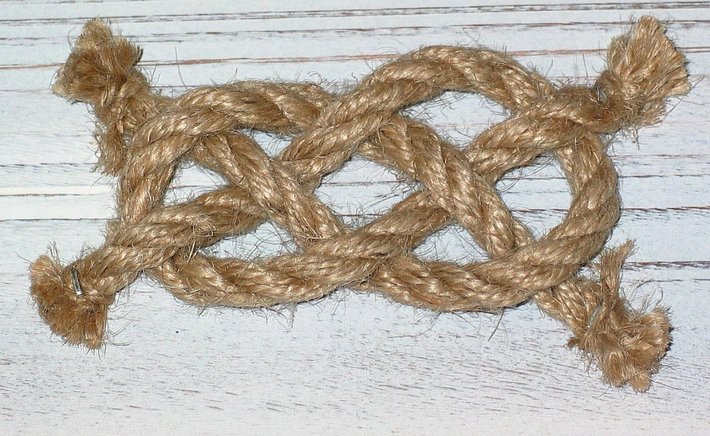
One of the fastest ways to understand sea shanties is to stop thinking of them as songs and start thinking of them as tools. Every classic shanty was built for a specific job, and the rhythm of that job is baked into the music. Sing a halyard shanty at the wrong tempo and it falls apart. Sing a capstan song like a short haul and you will exhaust the crew. The work came first; the song served the work. That relationship is the heart of the tradition, and it is worth unpacking job by job.
Start with the halyard shanty, sometimes called a long haul or long drag shanty. Hoisting a heavy sail on a square-rigger took many men pulling together on a rope, and the pulls were spaced out — one big heave, then a pause to reset, then another heave. A halyard shanty has a long solo verse and a chorus that lands on the pull. Songs like "Blow the Man Down" and "Hanging Johnny" fit this pattern. The shantyman sang a line, the crew answered, and everyone hauled on the chorus. The pause between pulls was built into the music, which is why these songs can sound almost leisurely when sung badly and thrilling when sung right.
Short Haul, Capstan, and the Rhythm of the Rope
Short haul shanties were for quick, sharp pulls — trimming a sheet, setting a small sail, any job that needed one hard yank rather than a long heave. These songs are fast and punchy, often with very short verses and choruses that hit like a hammer. "Haul on the Bowline" is the classic example. There is no room for a long story in a short haul shanty; the song exists to land one pull at the right moment, and then it is over or repeated.
Capstan shanties are the opposite. Walking a capstan around — a huge winch used to raise anchors and heavy spars — could take many minutes of steady, circular effort. The song had to sustain a walking pace, so capstan shanties are long, often ballad-like, with verses that tell stories or string together loosely connected images. "Leave Her, Johnny" and "Shenandoah" are capstan songs, and their slow, rolling feel matches the slow, rolling walk of the crew. A shantyman could keep a capstan song going for half an hour if the work demanded it, adding verses as needed.
Why the Job Still Matters Today
Modern shanty singers rarely haul on a rope, but the job still shapes how the songs should be sung. If you know that a halyard shanty has a built-in pause for the pull, you can feel where the emphasis belongs. If you know a capstan song was meant to be walked, you can find its natural pace instead of rushing it. This is not about historical reenactment for its own sake. It is about understanding that these songs have a physical logic, and that logic is part of their beauty.
Stan Hugill wrote extensively about this, and his notes are a gift to anyone who wants to sing shanties with some authenticity. He described which songs fit which jobs, how the shantyman watched the crew and adjusted, and how a song could fail if the rhythm did not match the work. That is the craftsmanship behind the tradition. The next time you sing a shanty, try to feel the job inside it — the heave, the walk, the pull. The song will make more sense, and it will sound better too.

Author

22 feb,2025
This incident opened my eyes to the value of Insurance in general, so I decided to examine my personal and business insurance.



Comment (3)
The payments are made directly from one person to another without passing through a central bank or clearing house.
22 feb,2025
ReplyStan Hugill: The Man Who Saved the Shanties from Oblivion
23 feb,2025
ReplyWomen and the Sea Shanty: Voices Often Left Out of the Story
23 feb,2025
Reply